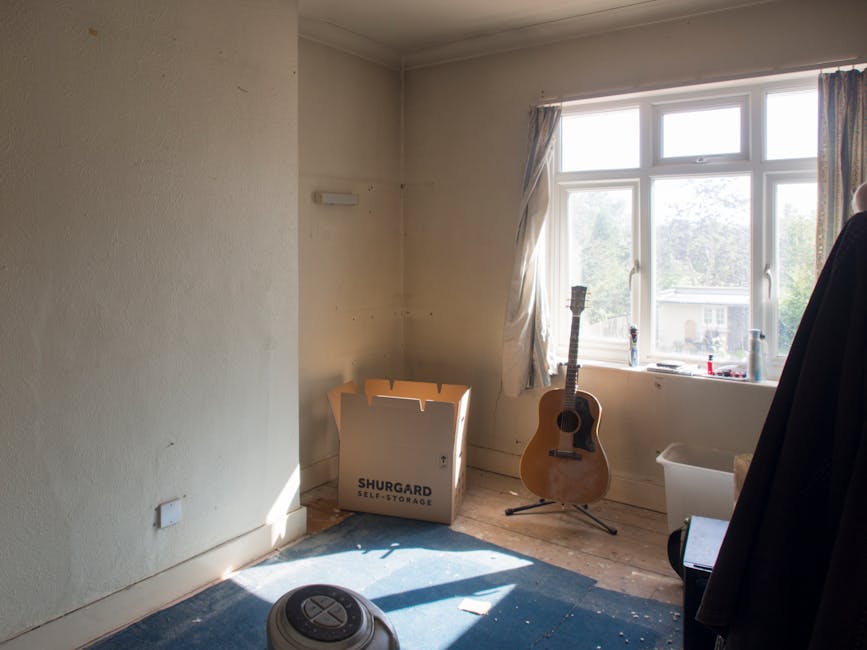
Crouch End Victorian flat move: a zero-damage case study
Victorian flats in Crouch End have a charm that is hard to fake: high ceilings, old timber, narrow staircases, original plasterwork, and those awkward little corners that look lovely until you need to move a sofa through them. A Crouch End Victorian flat move: a zero-damage case study is useful because it shows what careful moving actually looks like in a real period property, not just in theory. When the goal is to get everything out, in, and settled without a chipped banister or scuffed wall, the details matter. A lot.
This guide breaks down the planning, packing, access checks, and handling decisions that help reduce risk in older London homes. You will also see where people usually go wrong, what best practice looks like, and how a well-run move can protect both the flat and your sanity. Let's face it, nobody wants the last memory of moving day to be a dent in a freshly painted hallway.
One quick note before we start: zero damage is an outcome you aim for, not something anyone should promise blindly. Period homes are quirky. Weather changes, parking changes, and furniture sometimes seems to develop a personal grudge against door frames. Still, with the right approach, the odds improve dramatically.
- How to plan a damage-free move in a Victorian flat
- What makes Crouch End access and parking tricky
- Which packing and lifting methods reduce risk
- What to check before move day and after delivery
- Practical lessons from a real-world style case study
Table of Contents
- Why Crouch End Victorian flat move: a zero-damage case study Matters
- How Crouch End Victorian flat move: a zero-damage case study Works
- Key Benefits and Practical Advantages
- Who This Is For and When It Makes Sense
- Step-by-Step Guidance
- Expert Tips for Better Results
- Common Mistakes to Avoid
- Tools, Resources and Recommendations
- Law, Compliance, Standards, or Best Practice
- Options, Methods, or Comparison Table
- Case Study or Real-World Example
- Practical Checklist
- Conclusion
- Frequently Asked Questions
Why Crouch End Victorian flat move: a zero-damage case study Matters
Victorian flats are beautiful, but they are rarely generous about movement. In Crouch End, many homes sit in buildings with stair turns, tight landings, narrow front doors, and original features that have already survived decades of daily life. That is exactly why a zero-damage approach matters. One careless pivot with a wardrobe can mark a wall in seconds. One rushed lift can chip plaster or scrape a staircase rail that has probably been there longer than anyone now living in the building.
The point of this kind of move is not perfection for its own sake. It is risk control. You are trying to manage the predictable friction points: access, packing quality, lifting technique, route planning, and timing. In a period property, those details are not nice extras. They are the difference between a smooth handover and a stressful repair conversation later on.
There is another layer too. Zero damage builds trust. If you are renting, it helps protect your deposit. If you own the flat, it protects the building's condition and your moving budget. If you are helping a family member, it keeps the day calmer. The emotional side is real, to be fair. A move can feel like a chain of small tests, and one bad knock can throw off the mood for the rest of the day.
For local moves, especially in older London streets, the property itself becomes part of the move strategy. Crouch End is not a place where you can assume wide pavement loading or easy van positioning. You plan around the building, the street, the neighbours, and the items being moved. That is the whole game.
Expert summary: A zero-damage move in a Victorian flat is less about brute strength and more about preparation, measured handling, and sensible route planning. The best results usually come from slowing down before the first box is lifted.
How Crouch End Victorian flat move: a zero-damage case study Works
A zero-damage move works by breaking the job into controlled stages. The move is not one big event; it is a sequence of smaller decisions that each reduce risk. That starts well before moving day. You assess the flat, identify fragile features, measure large items, and decide which route each piece will take. Then you pack in a way that supports those routes rather than just stuffing boxes quickly.
In a Victorian flat, three areas usually need the most attention: stairwells, door frames, and wall corners. These are the places where furniture naturally swings, turns, or brushes past. If the movers know in advance where the pinch points are, they can protect them and slow down at the right moments. It sounds obvious. It often isn't done properly.
The practical method usually includes:
- measuring bulky furniture against doors, hallways, and stair turns
- using protective coverings for banisters, floors, and corners
- packing by room and fragility, not just by box size
- preparing one clear loading route before the team arrives
- assigning a lead person to guide movement through tight spots
That last point sounds small, but it matters. In narrow homes, too many voices can create hesitation, and hesitation leads to awkward half-turns. A single person calling the moves tends to keep things calmer. Not glamorous, but effective.
Timing matters as well. Early starts help, especially when parking is tight or local traffic builds through the day. In a street where space appears and disappears fast, a move that begins late often ends rushed. And rushed is where damage creeps in.
If you are booking help, choose a team that understands period properties rather than just general removals. There is a difference. A flat with old skirting boards, uneven steps, and a narrow landing requires judgement, not just muscle.
Key Benefits and Practical Advantages
The biggest advantage of a zero-damage move is obvious: nothing gets broken, scraped, dented, or scratched. But the quieter benefits matter just as much. You save time because there is less fiddling with repairs. You save money because you are not replacing furniture or touching up walls. And you save energy, which on moving day is worth something in itself.
There is also a psychological benefit that people underestimate. When the team works carefully, the move feels under control. The flat does not feel like it is being attacked by boxes and tape. That might sound a bit dramatic, but if you have ever watched a sofa get wedged in a staircase at 4:30 p.m., you know exactly what I mean.
Here are the practical advantages in plain English:
- Less damage risk: walls, floors, doors, and furniture are better protected.
- Smoother handover: useful for tenants, landlords, and owners alike.
- Better packing discipline: items are grouped and labelled more clearly.
- Faster problem-solving: a good plan reduces last-minute panic.
- Lower hidden costs: fewer repairs, replacements, and delays.
For Victorian flats in particular, there is another benefit: preserving character features. Original woodwork, old plaster, and period flooring are not just decoration. They are part of the property's value and feel. Once damaged, even a small mark can be surprisingly noticeable.
And yes, a careful move can also make unpacking easier. Boxes packed with a sensible system are easier to find, easier to stack, and easier to open in the right order. Small thing, big difference.
Who This Is For and When It Makes Sense
This approach makes sense for anyone moving in or out of a Victorian flat where access is constrained or the interior is delicate. That includes tenants leaving a rental, homeowners moving locally, landlords preparing a property for new occupants, and families helping older relatives downsize.
It is especially useful if any of the following apply:
- the staircase is narrow or has tight turns
- the flat has original features you want to preserve
- large furniture needs to pass through a shared entrance
- parking or loading space is limited nearby
- you are moving during a busy weekday or school-run window
- you have fragile items, antiques, mirrors, or heavy furniture
It also makes sense if you simply do not want the stress. Truth be told, some people can manage a basic move themselves with a van and a few friends. But when the property is period, the furniture is awkward, and the street is tight, the low-budget approach can become expensive very quickly.
Think about your own tolerance for risk. Would you rather save a little upfront and risk wall repairs later, or invest in a method that keeps the flat intact? That is really the question.
If you are also comparing moving options for smaller jobs, a service like man with van may suit compact loads, while a bigger or more complex flat move may need more structured support. For broader home relocations, home moves can be a useful fit when the job goes beyond a few boxes and a bedside table.
Step-by-Step Guidance
Here is the practical sequence that helps a Crouch End Victorian flat move stay damage-free. Keep it simple, and do not skip the boring parts. The boring parts are where the good outcomes live.
1. Survey the flat before move day
Walk the route from the bedroom to the door, then from the door to the street. Note every corner, narrow section, step, and awkward turn. If you have a tall wardrobe or a large sofa, measure it properly. Guessing is not a strategy. It just feels like one until the item gets stuck.
2. Separate items by risk level
Not everything needs the same treatment. Books, soft furnishings, kitchen items, framed art, and electronics all behave differently in transit. Fragile items should be packed to avoid movement inside the box. Heavy items should be kept manageable rather than overfilled. A box that is too heavy tends to be dropped, and nobody needs that.
3. Protect the property first
Before bulky items come out, make sure floors, bannisters, and corners are protected. In a Victorian flat, the most vulnerable points are often the ones most likely to be brushed by furniture. A few sheets, wraps, and floor protectors can prevent the annoying little scuffs that somehow show up in the best light.
4. Plan the loading order
Load items in an order that makes sense for both access and delivery. Keep essential boxes easy to reach. Place fragile items where they will not shift. If a van is being used, think about how unloading will happen at the destination. The move is not only about getting out of Crouch End; it is also about arriving neatly at the other end.
5. Use controlled lifting and guiding
One person should guide, especially on stairs and landings. The team should move slowly at turns, communicating clearly. If an item feels wrong halfway through, stop and reset. Half-turns are where marks happen. A pause here and there is much better than a hurried scrape, though it can test everyone's patience a bit.
6. Check each room after clearance
Once a room is empty, check for missed items, wall marks, loose fittings, and floor damage. It is easier to notice issues while the flat is still empty. Also, if you are handing the property back, you want time to deal with any tiny problem before keys are returned.
7. Do a final walk-through
Look at the flat in daylight if possible. Even minor marks show more clearly then. This is the moment to breathe, put the kettle on, and confirm that everything is out in one piece. A sensible end to the day matters more than people think.
Expert Tips for Better Results
Experience teaches a few useful things that do not always appear in generic moving advice. First, the less you improvise on the day, the better. The best moves usually look a little uneventful from the outside. That is a compliment, not a criticism.
Here are the tips that make the most difference in older flats:
- Measure doorway heights as well as widths. Tall items often fail at the top edge before the sides become a problem.
- Remove protruding parts early. Table legs, mirrors, shelves, and handles can turn a manageable item into a hazard.
- Use soft protection on corners. A small wrap at the wrong point can save a wall from a sharp impact.
- Keep one box of essentials separate. That way you are not rummaging through ten boxes looking for a charger at 9 p.m.
- Label boxes on the side, not just the top. Useful when they are stacked in a van or in a hallway.
Another good habit is to avoid over-packing. People often think one large, heavy box is more efficient. In reality, it becomes awkward to carry and harder to protect. Smaller boxes are often the smarter choice for books, crockery, and mixed household items.
And this may sound obvious, but wear sensible shoes. Thin soles and loose sandals are a terrible idea on moving day. You want grip, comfort, and a bit of protection when boxes start coming through the door.
If the move includes awkward furniture, it can help to review advice on moving a bed and mattress, especially where stair width and turning space are tight. For items that are heavy or awkward to handle solo, the guidance on manual handling and ergonomics is worth keeping in mind. Not glamorous reading, admittedly, but very useful.
Common Mistakes to Avoid
Most damage in a Victorian flat move comes from a handful of predictable mistakes. The good news is that they are avoidable. The less good news is that people keep making them anyway. Human nature, really.
- Skipping measurements. If the furniture has not been checked against the route, you are moving blind.
- Assuming the van can park anywhere. In local streets, loading space can disappear fast.
- Leaving protection until the last minute. By then, the damage risk is already higher.
- Packing too much into one box. Heavy boxes are harder to carry and more likely to be dropped.
- Forgetting about shared areas. Hallways and stairwells need care too, not just your own front door.
- Rushing the final rooms. People get tired and start cutting corners near the end.
One subtle mistake is failing to brief everyone properly. If two people think they are in charge of the sofa, the sofa will usually win. Clear instructions save time and bruises. Another one: not checking weather or road conditions. A damp pavement, a late delivery vehicle, or a busy road can change the whole rhythm of the move.
If you need extra packing support, packing and unpacking services can help reduce rushed box work, which is often where small damage begins. And if the furniture itself needs careful handling, a service such as furniture pick up may be useful when bulky items have to be moved with care rather than squeezed into a chaotic schedule.
Tools, Resources and Recommendations
You do not need a warehouse of equipment to keep a move damage-free, but the right tools make a real difference. The goal is protection, control, and reduced friction.
| Tool or Resource | What It Helps With | Why It Matters in a Victorian Flat |
|---|---|---|
| Furniture blankets | Protecting surfaces from chips and scratches | Useful on tight stair turns and doorways |
| Corner protectors | Reducing wall and frame marks | Period plaster can mark easily |
| Floor coverings | Preventing dirt and scuffs on floors | Old boards and engineered floors need care |
| Sturdy labels | Helping with room-by-room organisation | Makes unpacking calmer and faster |
| Measuring tape | Checking furniture and access points | Stops avoidable route problems |
For local moving jobs, it can also help to compare vehicle and labour options carefully. A larger vehicle may be overkill for a small load, while too small a vehicle can force a second trip. If you are weighing those choices, moving truck and removal truck hire are worth considering as part of the planning stage, depending on the load and access.
If your move includes a broader home setup, a general service such as house removalists may be more appropriate than a lighter-touch option. For a company background, policies, and service approach, it can also help to review the about us page so you know who you are dealing with before the first box leaves the property.
Law, Compliance, Standards, or Best Practice
A move like this does not usually involve complicated legal issues, but best practice still matters. In London, parking, loading, and access can be affected by local restrictions, building rules, and shared-property expectations. If you are moving in or out of a flat, it is wise to check any building-specific requirements first. That may include quiet hours, lift use rules, hallway protection expectations, or prior notice to neighbours and management.
For rented homes, the condition you leave the property in can affect deposit discussions. The exact position depends on the tenancy terms and the state of the property, so it is sensible to document the condition before and after the move. Photos taken on your phone are usually enough, provided they are clear and time-stamped by the device. Nothing fancy.
Manual handling also deserves respect. UK moving practice generally expects lifting to be done with proper technique, enough people on the job, and reasonable attention to load weight and balance. If an item feels unsafe to carry, it probably is. Better to pause and reassign than force it. That is not being cautious for the sake of it; it is common sense.
Insurance and liability should be checked before the move begins. If you are hiring movers, confirm what is covered and what is not. Period properties have expensive weak points, and it is better to know the terms beforehand than argue afterwards. A quick question before the van arrives can save a long conversation later.
One more practical note: if parking or street loading is likely to be difficult, plan early. Some local moving situations benefit from extra coordination, especially where roads are narrow or traffic moves quickly. The blog guide on moving van permits is helpful if you want to understand the kind of admin that can affect a move day. For tighter streets and timing pressure, the advice on best routes and peak times also gives a useful local planning mindset, even if your address is a bit further afield.
Options, Methods, or Comparison Table
Not every move needs the same setup. Some people only need help with transport. Others need full packing, loading, and careful handling of fragile items. The right method depends on how much you are moving, how awkward the access is, and how much risk you are prepared to tolerate.
| Method | Best For | Strengths | Limitations |
|---|---|---|---|
| DIY with friends | Very small, simple moves | Lower upfront cost | Higher damage risk, less coordination |
| Man and van | Smaller flat moves, single loads, local transport | Flexible and often practical | May need careful planning for fragile items |
| Full removal service | Complex flats, larger loads, awkward access | Better structure and handling | More expensive than a basic transport-only option |
| Packing plus transport | Busy households or fragile belongings | Reduces rush and packing mistakes | Requires more coordination ahead of time |
If the move involves office items as well, or if part of the job is commercial in nature, a different setup may be more suitable. The same care principles apply, but the logistics shift. For those cases, commercial moves and office relocation services may be more relevant than a standard residential arrangement.
Case Study or Real-World Example
Here is a realistic example of how a zero-damage approach might play out in a Crouch End Victorian flat. A couple is moving out of a first-floor period flat with a narrow shared staircase, original bannisters, and a long hallway that turns sharply before the front door. The property contains a sofa, bed frame, bookcases, a dining table, boxes of kitchenware, and a large mirror. Nothing extraordinary, just enough to make the day interesting.
Before moving day, the route is measured. The sofa is checked against the staircase width and landing turn. The mirror is wrapped separately. Books are split into smaller boxes so nobody ends up carrying a box that feels like it contains bricks. The floors are protected, and the highest-risk corners are padded first.
On the day itself, the team starts early while the street is quieter. One person guides the sofa through the stair turn. The item is moved slowly, tilted slightly where needed, and stopped before each narrow section. The dining table legs are removed so the top can pass more safely. Nothing is forced. That part matters. Furniture can be persuasive if you let it be.
There is one awkward moment with the mirror near the hallway corner, but because the route was planned, it is adjusted before contact is made. No scrape. No panic. Just a pause, a re-angle, and on it goes.
By the end of the move, the flat is empty, the stairs are clear, and the only signs of work are a bit of tape residue and tired people drinking tea. No wall dents. No chipped paint. No mystery mark on the bannister that somehow appeared and then became everyone's problem. That is the sort of outcome this article is aiming to explain.
If you are dealing with larger furniture or heavier individual items, advice from moving antiques carefully can be surprisingly relevant, even when the item is not actually antique. The principle is the same: protect the item, protect the route, and do not rush the handoff.
Practical takeaway: The best zero-damage moves are usually the ones that look almost boring from the outside. That is a good sign.
Practical Checklist
Use this checklist to keep the move controlled and damage-free. Print it, copy it into your notes, or scribble it on the back of a box label if that is more your style.
- Measure large furniture against doors, stairs, and landings
- Check parking and loading arrangements before move day
- Protect floors, bannisters, walls, and corners
- Pack fragile items separately and label clearly
- Split heavy books and dense items into smaller boxes
- Remove legs, shelves, or loose parts from bulky furniture where possible
- Prepare an essentials box for the first night
- Assign one person to guide movement through tight spaces
- Keep hallways and staircases clear while loading
- Inspect rooms and shared areas before handing back keys
- Photograph the flat at the start and end of the move
- Confirm any insurance or liability points before work begins
If you want the move to feel a little less chaotic, start decluttering early. The guidance in decluttering for a smoother move can help reduce box count, which usually makes the entire day easier. And if you are the sort of person who likes boxes in neat groups rather than a mysterious mountain of cardboard, the advice on labelling and organising boxes is genuinely useful.
Get a free quote today and see how much you can save.
Conclusion
A Crouch End Victorian flat move can be done without damage, but only if the move is treated as a careful sequence rather than a race. The property's character, the narrow access, and the realities of London parking all push you toward a more deliberate approach. That is not a drawback. It is simply the nature of the job.
The strongest lesson from this kind of case study is simple: preparation protects everything else. Measure first. Pack with intent. Protect the building. Move slowly in the tight spots. Keep communication clear. Do those things, and the move becomes much less stressful, much less risky, and far more likely to end with the flat still looking exactly as it should.
And honestly, that final feeling matters. A quiet room, no fresh scuffs, the last box gone, and a small sense of relief. Not bad for a moving day in a Victorian building.
If you are ready to plan your own move, take the practical route, ask the awkward questions early, and give the property the care it deserves. The difference shows.
Frequently Asked Questions
What makes a Victorian flat move more difficult than a modern flat move?
Victorian flats often have narrow staircases, awkward turns, older finishes, and less forgiving door frames. Those features make careful handling more important, especially for bulky furniture and fragile items.
Can a zero-damage move really be guaranteed?
No honest mover should guarantee zero damage in every case. The sensible goal is to reduce risk through planning, protection, and careful handling. That is what gives you the best chance of a clean outcome.
Do I need professional movers for a Crouch End flat move?
Not always, but professional help is often worth considering if access is tight, the furniture is bulky, or the property has delicate period features. A basic DIY move can work for small jobs, but the risk rises quickly in older flats.
What should I measure before moving day?
Measure large furniture, door widths, stair turns, landings, and any tight hallway sections. It is also sensible to check ceiling height if you are moving tall items like wardrobes or bookcases.
How can I protect walls and bannisters during the move?
Use protective coverings, corner guards, and floor protection before any large item comes through. A little preparation here goes a long way, especially in narrow stairwells where contact is easy to make.
Is packing and labelling really that important?
Yes. Clear labelling helps the move stay organised and prevents boxes being dropped into the wrong room or stacked badly in the van. It also makes unpacking faster, which is a nice bonus after a long day.
What should I do if a sofa or wardrobe will not fit through the staircase?
Stop and reassess. Check whether parts can be removed, whether a different angle works, or whether a better route exists. Forcing it is how damage happens. Sometimes the answer is a slower, more deliberate manoeuvre rather than more pressure.
Are parking or loading restrictions a real issue in Crouch End?
They can be, depending on the street and timing. It is sensible to check parking and loading arrangements early, because a van that cannot park conveniently can turn a smooth move into a stressful one very fast.
What kind of boxes are best for a flat move?
Strong, manageable boxes are best. Smaller boxes are often better for books and dense items, while medium boxes work well for mixed household goods. Overfilled boxes are awkward to carry and more likely to cause problems.
How do I know if I need packing services as well as moving help?
If you are short on time, have fragile possessions, or want to reduce the chance of rushed packing errors, packing services can be a smart addition. They are especially useful when the property layout already creates enough stress on its own.
Should I take photos before and after the move?
Yes, absolutely. Photos are a simple way to document the condition of the flat before work begins and after everything is out. They are especially useful in rented properties where deposit questions may come up later.
What is the best way to keep a move calm on the day?
Start early, keep the route clear, give one person responsibility for directions, and do not rush the tight spots. Calm moves are usually the result of good preparation, not luck. A bit of tea helps too, naturally.