Storage in Haringey for home and business moves

Storage Haringey provides practical storage support for people who need a straightforward way to keep belongings safe while moving, decluttering or reorganising a property. The service centres on careful collection, removal and storage handling, so furniture, boxes and mixed household or office items can be managed in a controlled way rather than left exposed or awkwardly stacked. If you need help with a temporary gap between properties, a room that is being refurbished or items that simply need a better place for now, we can organise storage alongside a removal plan.
Our home moves work sits naturally alongside storage because many customers do not move everything into the new property on the same day. That may involve separating essentials from items that can be held for later, moving furniture out in stages or planning around access at both addresses. We focus on the practical side of the move: the items to be handled, the sequence they need to follow and the safest way to keep them together until they are needed again.
Use one clear plan when you enquire, because a tidy inventory makes the work simpler to organise. It helps to note the type of items you want stored, whether they are boxed, wrapped or freestanding, and any awkward pieces that may need special handling. A short description is usually enough to begin; if you already know that access is tight, stairs are involved or certain items must stay separate, include that in your first message.
Domestic storage for moves, decluttering and house changes
Domestic storage is often needed when a move does not line up neatly with completion dates, decorating schedules or family routines. We can help with furniture, packed cartons, soft furnishings, appliances and other household possessions that are not required immediately. The aim is to keep each load organised so it remains easier to return items later, whether that means holding everything for a short interval or managing possessions in stages while rooms are prepared.
Some customers want to store just a few items, while others need a more substantial arrangement during a bigger transition. A sensible storage plan begins with what is leaving the property, what is staying behind and what needs to be quickly available after the move. If you want to compare options, furniture pick-up can be useful when individual pieces need removing before the rest of a room is sorted, and it can sit neatly beside storage where large items need to be handled carefully.
Commercial paragraphs like these work best when they explain the actual tasks rather than generic reassurance. Our approach is to consider access, item size, packing condition and the order in which belongings should be handled. Delicate surfaces, odd-shaped items and heavier pieces can each require a different method, so the practical details matter. If you are preparing a quotation request, list the main item groups and any timing constraints so the proposed arrangement matches the move rather than forcing the move to fit around the storage.
Business storage and office relocation support

Businesses often need storage when desks, files, stock, archive items or furnishings must be moved out of the way during a reorganisation. We can support office relocations and other commercial changes by helping to separate equipment that is ready to move from items that should remain stored until the next stage. This is particularly useful where there are phased fit-outs, changes to working areas or records that must be kept secure while the workspace is being altered.
Our office relocation services are relevant when storage forms part of a wider move from one commercial setting to another. Rather than treating the move as a single loading exercise, it is often better to think in terms of sections: workstations, storage units, files, IT-related items and furniture that can travel together or be held back. That sort of planning helps avoid confusion and supports a cleaner handover between one site and the next.
For a business enquiry, it is helpful to include the number of areas involved, the type of items to be moved and whether any pieces need to be kept apart for access reasons. A short schedule of what stays, what goes and what is to be stored makes quotation work easier and usually leads to a more accurate arrangement. Clear instructions are especially useful when several people are involved in approving the move.
Planning the move and storing items in the right order
Storage works best when it is planned as part of the overall move rather than added at the last minute. A good sequence usually begins with identifying the pieces that are definitely going into storage, then separating out items that must stay accessible. That may include everyday essentials, documents, seasonal belongings or furniture that needs to remain in use until a room change is complete. Once the order is clear, the rest of the process is easier to manage.
If your requirement includes a vehicle as well as storage handling, moving truck information can be relevant because the way items travel affects how they are grouped and protected. For some jobs, load order matters as much as total volume. Heavier items should not crush lighter ones, and mixed loads are simpler when similar pieces are kept together. This is where practical planning can reduce disruption and preserve the condition of stored belongings.
When preparing an enquiry, two details are especially useful: whether items are already packed and whether access at either location is straightforward. That advice is worth repeating because it affects both labour and timing. If boxes still need to be prepared, or if larger pieces have to be manoeuvred through narrow spaces, mention that early. The more accurately the job is described, the more closely the arrangement can be matched to the actual work.
Items that commonly need storage during removals

Many storage requests involve mixed contents rather than a single category of item. Household furniture, wardrobes, drawers, beds, garden pieces, boxed books and seasonal belongings often need to be taken off site in one organised flow. In a commercial setting, that list may extend to filing, shelving, reception furniture, archived materials and stock. Each category may need a different approach to packing, wrapping or stacking before it is held in storage.
A concise way to prepare is to write down the main item groups and note anything that needs extra care. A list can help:
- large furniture and flat-pack pieces
- boxed household contents or office files
- fragile or awkward items
- seasonal belongings that can be held back
- items that must be kept separately
If your storage need is linked to a change in property rather than a standalone requirement, the natural follow-on service may be commercial moves for business premises or a domestic removal for a home. The important point is that the storage element should fit the order of the move. It should not create extra handling where a combined plan would keep things simpler, safer and more economical in labour.
Access, packing and the handling of stored goods
Good storage handling depends on more than just space. The condition of the items, the way they are packed and how easily they can be reached all affect the work involved. Well-packed cartons can be arranged differently from loose or fragile items, and bulky pieces may need wrapping or padding before they are moved. If you are storing mixed contents, grouping similar items together usually makes both loading and return much more manageable.
Where the job includes collection, moving out and later return, packing and unpacking services can be helpful for customers who want the process organised from start to finish. Not every job needs full packing support, but when boxes, paperwork, kitchen items or breakables are involved, careful preparation can make the storage stage far easier. It also reduces the risk of mixing items that should stay separate.
One sensible piece of preparation is to think about the first things you may need back. That might be bedding, documents, a television, a child’s items or specific work equipment. If these are likely to be needed sooner than the rest, say so in your quotation request. This does not promise any particular retrieval method; it simply helps the arrangement reflect real use rather than treating every stored item in the same way.
House moves, smaller loads and flexible storage arrangements
Not every storage need comes from a large-scale move. Some people only need a temporary holding place for a few pieces of furniture, while others are clearing a room before renovation or making space for a new household member. Storage can therefore sit alongside smaller removal work as well as more involved moves, provided the item list is clear and the handling requirements are understood from the start.
If you are comparing ways to move a lighter load, man and van support may suit situations where a smaller number of items need collecting and then taken onward into storage or to a new address. For some customers, this is more appropriate than planning a full removal vehicle. The choice depends on the size of the load, the access at each end and whether the journey forms part of a larger move or a simple one-off transfer.
Storage requests often work best when the customer can identify what is staying, what is moving and what is not yet decided. That does not mean every item must be itemised in detail, but the main categories should be known before the work starts. A clear distinction between essential belongings and those that can be held back usually makes the overall arrangement more efficient and less disruptive.
About Haringey
Haringey is a London borough in North London, formed in 1965 from the former areas of Hornsey, Tottenham and Wood Green. It stretches from the high ground of Highgate and Muswell Hill down towards the River Lea, so the borough includes both elevated residential streets and lower-lying industrial and transport corridors. The area is known for its varied town centres, with Wood Green as a major shopping district and Tottenham serving as another important focal point in the east of the borough. Alexandra Palace, standing on its hill above the surrounding streets, is one of the best-known landmarks and has long been associated with exhibitions, entertainment and wide views across the capital. The borough also contains stretches of green space such as Finsbury Park and part of the Parkland Walk, while the New River passes through the area as a reminder of earlier water infrastructure. Haringey’s built environment mixes Victorian and later housing, civic buildings, terraces and modern development, so the character changes noticeably from one neighbourhood to another. Transport links are a major feature too, with rail, Underground and bus connections tying together places such as Turnpike Lane, Seven Sisters, Crouch End and Bounds Green. That combination of history, open space, transport and dense urban neighbourhoods gives Haringey a layered identity rather than a single uniform centre.
Storage for furniture, bulky items and awkward loads
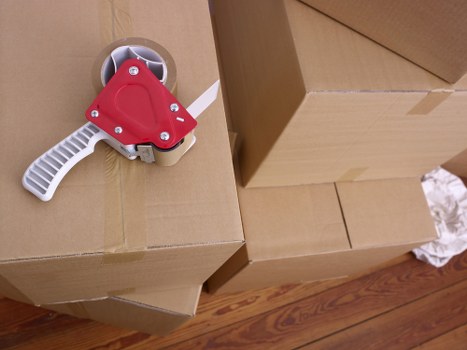
Furniture and larger household items usually need more thought than boxed goods because of their size, shape and weight. Sofas, tables, bed frames, wardrobes and other bulky pieces can be easier to handle when they are separated, protected and loaded in a sensible order. Storage arrangements should take account of doorways, stairs, hallway width and the space needed to manoeuvre items without unnecessary strain or contact with surfaces.
Some pieces may also need disassembly before they can be stored safely or moved without damage. If that is likely, mention it early so the work can be planned with the right tools and time in mind. Our role is to manage the practical side of the move, not to force every item into the same handling method. House removalists can be relevant where the storage requirement is part of a fuller domestic relocation and the furniture needs to be taken in a controlled sequence.
When clients ask for a quotation, it helps to describe the largest items first because those pieces often determine the handling plan. Smaller cartons may fit around them, but the bigger items set the scale for the rest of the job. If you are unsure whether anything should be dismantled, wrapped or kept separate, say so rather than guessing. A brief, honest description is more useful than an overconfident one.
Supporting removals with a clear quotation request
Storage quotations are easier to prepare when the key facts are given together. The most useful details are the general volume of items, the type of property involved, the level of access and the timing involved. If there are stairs, long carries, restricted parking, narrow hallways or fragile items, those points matter. They do not need to be written in formal language; simple, direct notes are enough for a useful first response.
If you want to combine storage with a van-based collection, man with van support may be suitable for lighter or more flexible jobs, while a larger move may need a fuller removal approach. The exact solution depends on the belongings and the route they need to follow. You can also use the contact page when you are ready to outline the job in detail and ask for a quotation based on the actual items involved.
Tell us what needs storing, what must be moved first and what can remain accessible in the meantime. That is often enough to begin. Request a quotation when you are ready, and keep the message focused on the work rather than on general background. The clearer the job brief, the easier it is to plan a practical storage arrangement that fits the move.
Final arrangement and next steps

Storage can solve a range of short-term and transitional problems when it is matched carefully to the move or property change. It may involve a single set of items or a more complicated sequence with multiple rooms, pieces of furniture and mixed packing conditions. What matters most is that the arrangement reflects the actual belongings, access and timing, so the work can be handled in a controlled and organised way.
If you need to combine storage with removal transport, one final useful reference point is removal truck hire where a larger vehicle is needed for grouped items or heavier loads. That can sit alongside storage when the job requires a coordinated collection rather than separate trips. For a straightforward enquiry, give the main item list, the collection point, the destination and the day or period when the work needs to happen.
To finish, send a brief enquiry with the information that matters: what you need stored, what must move with it, and any access issues that could affect the handling. If you are ready to get started, ask for a quotation today. If the move includes a contact stage, use our contact page to pass on the details and we can take it from there.